
Kicked Out
A Day in the Life of a Honduran Girl in 1963

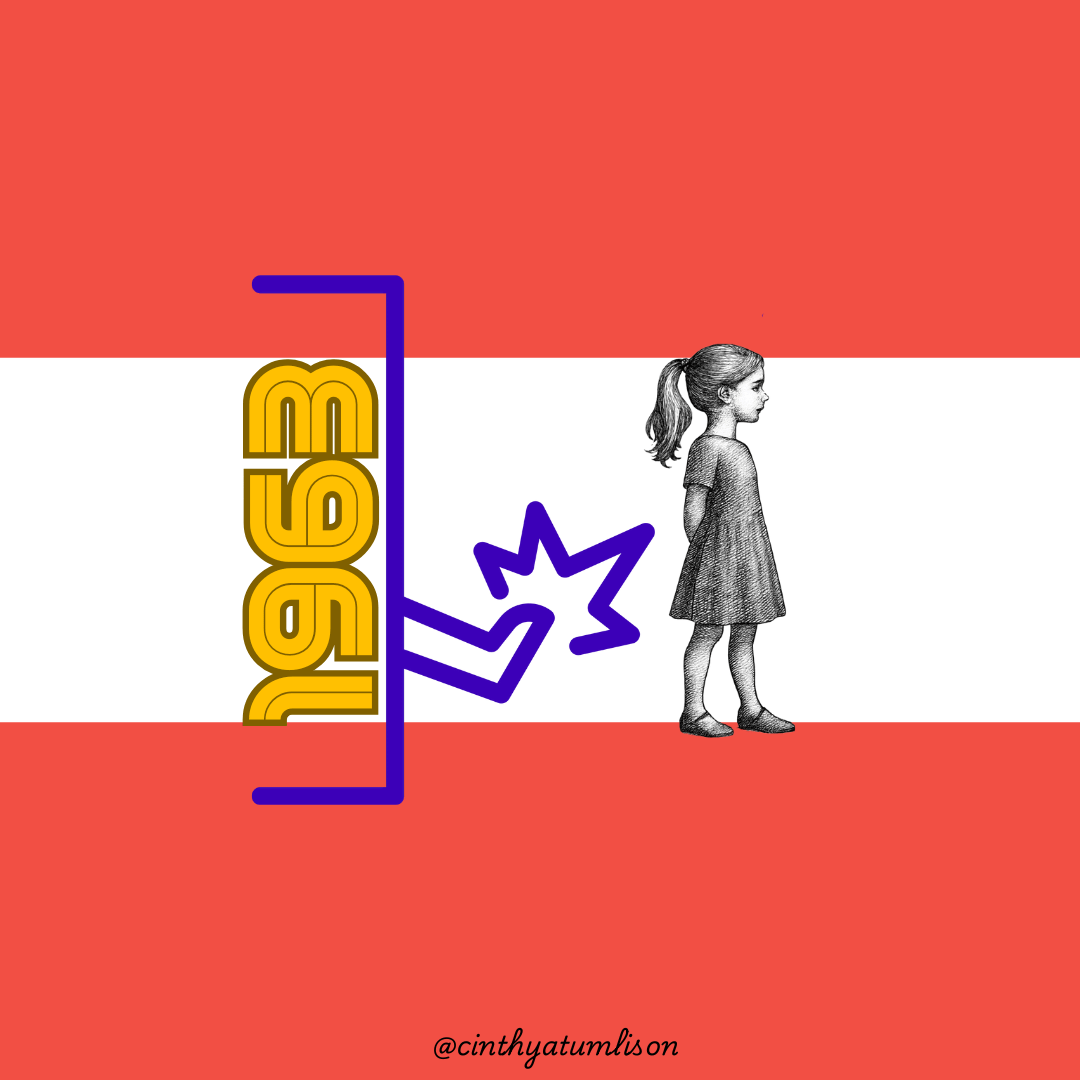
Elvia yawned. After a long night of studying under the streetlamp, she rose quietly, tiptoeing so as not to wake her cousin, who paid to board at her grandparents’ house. Elvia, by contrast, boarded for free—but only because she helped her grandmother. The corn had to be ground every morning into dough for tortillas, the floor swept, and errands run.
Her own mother remained in their village, caring for her younger siblings. Once they finished elementary school, they too would need to be sent to Tegucigalpa. But how could her mother afford so many boarders?
Elvia was grateful nonetheless. Being able to attend such a good school—within walking distance of her grandparents’ house—was a blessing. Waking every day at five in the morning was a small price to pay.
“I will always remember,” she whispered to herself, as if speaking to her mother, just as she always had in their village kitchen.
Her education was worth all the chores. “Extra space on the bed and fewer mouths to feed,” she reminded herself.
She passed the room where her older brother boarded. He studied at the Teacher’s College for Boys. Thank God he has a good scholarship, she thought.
Then she passed her grandfather’s woodshop. At 5:30 sharp, her grandfather always opened it to let the courtyard breeze in. After that, he entered the kitchen and sat at the dining room table for his morning coffee and his newspaper, El Día. He had crafted the table himself, careful with every detail, even the hidden drawers where her grandmother kept her tablecloths.
Her grandmother often reminded the girls not to linger by the main door to the street. “It wasn’t ladylike,” her grandfather complained whenever he returned from an errand.
Elvia didn’t mind her grandfather that much. She only needed to stay out of his way, and she would be fine. By the time she usually returned from the corn mill, he was already in his shop, running his hands over a piece of wood as if reading it, or marking a seasoned board for cutting.
Today she minded him even less, because she was finally fifteen. “Fifteen is the best year of a girl’s life!” she told herself. Besides, she expected her father’s visit soon. Any day now, he would come to bring her and her brother things from home—surely something special from her mother, perhaps a much-needed dress.
To her surprise, when she returned from the corn mill, her grandfather was still there, eyebrows lowered, reading the news. Her grandmother stood in the kitchen, counting the semitas for breakfast.
Am I late? Elvia wondered.
She stood before her grandfather, bowed, and said, “Buenos días, Abuelo Sebastián.”
He lifted his eyes from the paper and shouted, “What is this girl doing here?! I told you I don’t want any liberales living in my house—neither they nor their children! Get out!”
Elvia’s heart pounded. She rushed to the kitchen, nearly tripping on the step and dropping the corn dough. She looked at her grandmother, then ran to her room. By then, her cousin was awake and already dressed. Hot tears ran down Elvia’s cheeks.
Later that day, her grandmother came to see her. “Gather your belongings,” she said softly. “I’ve arranged for you to stay with your Tía Alicia until your father can find another boarding house.”
Elvia packed her yellow dress, her nightgown, her school uniform, and a few other belongings into a burlap sack. She crossed the street, walked a block and a half, and knocked on Tía Alicia’s door.
That night, she folded her school uniform and her yellow dress and tried to remember what it had been like to sleep on the bed with her siblings back in her village. Now she slept on the floor, on a petate.
Two weeks later, on October 3, 1963, Elvia’s grandfather celebrated. The liberales had been stopped, people said, and the country was safe again.
Elvia did not hear the celebration. By then, she was already gone, staying with Tía Alicia while her father searched for a boarding house he could afford. At least she could still walk to the same school—for now.
Connect to Honduras (even from far away) with Historical Comics


No, my story isn’t funny, but in my recent visit to Honduras, I found an illustrated comic series for children that makes learning about Honduran culture and historical figures very fun! It’s titled Colección Infantil Erandique. Besides comics, they have middle-grade readers. Below find links to purchase your copy of the comics on Amazon.
These will be great additions to your children’s Latin-American, Spanish language and/or Honduran library!
From my Writing Desk
Work in Progress
Pink Spaghetti was submitted to my International Region SCBWI’s critique group this month. It’s amazing how many revisions a simple manuscript must go through before actually being ready to be submitted to an agent or publisher.
I learned that what I want to write through Pink Spaghetti is a concept book. But, I’ll need to do some research on concept books and continue to polish this manuscript.
What Else did I learn?


When I homeschooled my children, I loved studying world history with them through A Child’s History of the World and The Story of the World. At the same time, I realized how little I knew about the history of Honduras.
This month, I learned an important part of my family’s history connected to a pivotal moment in Honduras’s past—one I could never have learned from those books, nor from the boring Honduran textbooks I remembered, filled with names and dates but disconnected from what we experienced.
For the story above, I interviewed my mother. What you read is my imagined reconstruction of one ordinary—but significant—day in her life.
Let’s Connect
Thank you for sharing this space with me. Whether you are reading from Honduras, Central Asia, the United States, or somewhere in between, I am grateful to be able to share these stories with you. Please leave a comment about one of how you connect your family’s memory to history. Happy New Year!
Wow! Such an emotional story! I’d love to hear what happened next.
Could you share info on the illustration? It fits perfectly with the story!
I have many questions too? Didn't she protest? Why would a grandfather do this to a granddaughter?